
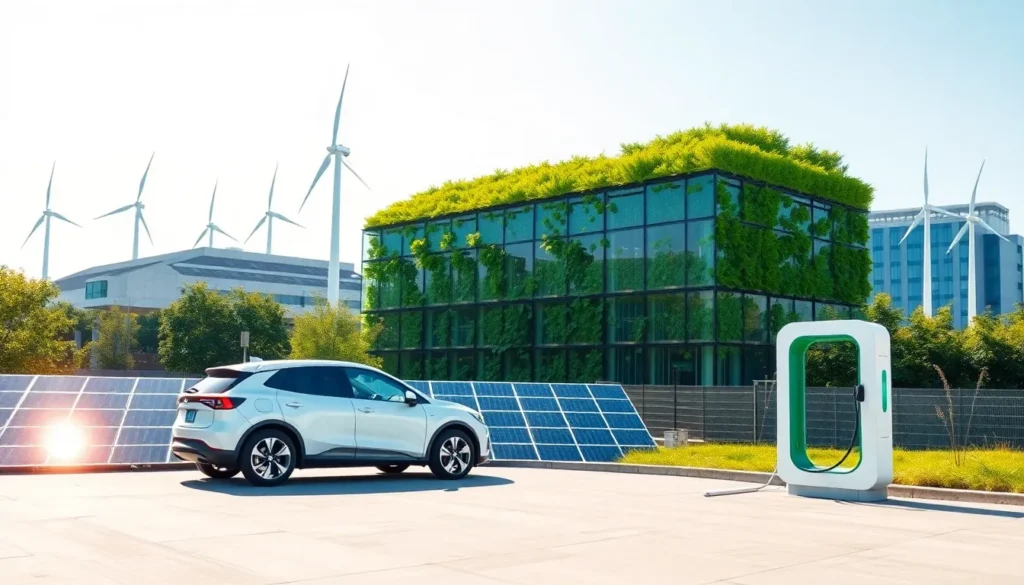
Sustainable technology examples are everywhere, from solar panels on rooftops to electric vehicles on highways. These innovations help reduce environmental harm while meeting human needs. As climate concerns grow, businesses and consumers seek practical solutions that balance progress with planet protection.
This article explores the most impactful sustainable technology examples across multiple industries. Readers will discover how renewable energy, transportation, construction, and agriculture benefit from green innovation. Each section highlights real-world applications that make a difference today.
Table of Contents
ToggleKey Takeaways
- Sustainable technology examples span renewable energy, transportation, construction, and agriculture—all working to reduce environmental impact while meeting human needs.
- Solar and wind power now account for over 30% of global electricity production, with costs dropping significantly to make adoption more accessible.
- Electric vehicles have gone mainstream, with global sales exceeding 14 million units in 2023 and expanding charging infrastructure.
- Green building technologies like smart thermostats and passive house design can reduce energy consumption by up to 90% compared to conventional structures.
- Precision agriculture and vertical farming use sustainable technology to cut water usage by up to 95% and reduce chemical inputs by 20-30%.
- Beyond environmental benefits, sustainable technology often delivers long-term cost savings through reduced energy bills and lower maintenance expenses.
What Is Sustainable Technology?
Sustainable technology refers to tools, systems, and processes that meet current needs without harming future generations. These technologies reduce resource consumption, minimize waste, and lower carbon emissions. They represent a shift from traditional methods that deplete natural resources.
The core principle is simple: create solutions that work long-term. Sustainable technology examples include energy-efficient appliances, biodegradable materials, and closed-loop manufacturing systems. Each approach aims to reduce environmental impact while maintaining functionality.
Three key characteristics define sustainable technology:
- Resource efficiency – Uses fewer raw materials and less energy
- Low emissions – Produces minimal greenhouse gases and pollutants
- Longevity – Designed for durability and recyclability
Companies across sectors now invest heavily in sustainable technology. The global green technology market reached $13.76 billion in 2022 and continues to expand. This growth reflects both consumer demand and regulatory pressure for cleaner alternatives.
Sustainable technology isn’t just about environmental benefits. It often delivers cost savings through reduced energy bills and lower maintenance expenses. Many businesses find that going green improves their bottom line over time.
Renewable Energy Solutions
Renewable energy stands as one of the most prominent sustainable technology examples today. Solar, wind, and hydroelectric power generate electricity without burning fossil fuels. These sources now account for over 30% of global electricity production.
Solar Power Systems
Solar panels convert sunlight directly into electricity. Residential installations have dropped 70% in cost since 2010, making them accessible to homeowners. Commercial solar farms now power entire communities. Tesla’s Solar Roof integrates panels into building materials, blending function with aesthetics.
Wind Energy Technology
Modern wind turbines capture kinetic energy from air movement. Offshore wind farms produce consistent power due to stronger ocean winds. Denmark generates over 50% of its electricity from wind, proof that this sustainable technology example works at scale.
Energy Storage Innovation
Batteries solve renewable energy’s biggest challenge: intermittency. Lithium-ion batteries store excess solar and wind power for later use. Grid-scale storage facilities like the Hornsdale Power Reserve in Australia stabilize entire electrical networks. Solid-state batteries promise even greater capacity and safety improvements.
Emerging Technologies
Hydrogen fuel cells offer another sustainable technology example worth watching. They produce electricity through chemical reactions, emitting only water vapor. Green hydrogen, produced using renewable electricity, could decarbonize heavy industry and shipping.
These renewable energy solutions demonstrate how sustainable technology examples transform power generation worldwide.
Eco-Friendly Transportation Innovations
Transportation accounts for roughly 16% of global greenhouse gas emissions. Sustainable technology examples in this sector target both personal vehicles and commercial fleets.
Electric Vehicles
Electric vehicles (EVs) have moved from niche products to mainstream options. Tesla, Rivian, Ford, and Volkswagen all offer competitive electric models. Global EV sales exceeded 14 million units in 2023. These vehicles produce zero tailpipe emissions and cost less to operate than gas-powered cars.
Charging infrastructure continues to expand. Public charging stations now dot highways, shopping centers, and workplaces. Home charging units let owners refuel overnight. Fast-charging technology reduces wait times to under 30 minutes for many models.
Public Transit Solutions
Electric buses represent another sustainable technology example gaining traction. Cities like Shenzhen, China have converted their entire bus fleets to electric. Light rail and subway systems powered by renewable electricity move millions daily with minimal environmental impact.
Alternative Fuel Options
Biodiesel and ethanol offer cleaner alternatives for existing engines. These fuels come from plant materials rather than petroleum. Aviation companies test sustainable aviation fuel (SAF) made from waste cooking oil and agricultural residues.
Micro-Mobility Solutions
Electric scooters and bikes fill gaps in urban transportation. Companies like Lime and Bird provide shared services in cities worldwide. These sustainable technology examples reduce car trips for short distances, cutting emissions and traffic congestion.
The transportation sector shows how sustainable technology examples can transform daily life.
Green Building and Smart Home Technologies
Buildings consume about 40% of global energy. Green construction and smart home systems offer sustainable technology examples that slash this consumption.
Energy-Efficient Construction
Passive house design minimizes heating and cooling needs through superior insulation and airtight construction. These buildings use up to 90% less energy than conventional structures. Cross-laminated timber (CLT) provides a sustainable alternative to concrete and steel, storing carbon rather than releasing it.
Green roofs and living walls add vegetation to buildings. They reduce urban heat islands, manage stormwater, and improve air quality. Cities like Singapore mandate green spaces on new construction.
Smart Home Systems
Smart thermostats learn household patterns and adjust temperatures automatically. The Nest Learning Thermostat claims to save users 10-15% on heating and cooling bills. Smart lighting systems dim or turn off when rooms are empty.
Home energy management systems track consumption in real time. They identify energy hogs and suggest improvements. Some systems integrate with solar panels and batteries to optimize self-consumption.
Water Conservation Technology
Low-flow fixtures and smart irrigation systems reduce water waste. Greywater recycling systems reuse sink and shower water for toilet flushing or landscaping. These sustainable technology examples address growing freshwater scarcity.
Building Automation
Commercial buildings use sophisticated automation to manage lighting, HVAC, and security. Sensors detect occupancy and adjust systems accordingly. AI-powered building management platforms optimize energy use across entire campuses.
These sustainable technology examples prove that greener buildings don’t sacrifice comfort or functionality.
Sustainable Agriculture and Water Management
Food production strains natural resources. Sustainable technology examples in agriculture and water management address these pressures directly.
Precision Agriculture
GPS-guided tractors apply fertilizer and pesticides only where needed. This approach reduces chemical use by 20-30% while maintaining crop yields. Drones survey fields to identify irrigation problems or pest infestations early.
Soil sensors measure moisture levels and nutrient content. Farmers receive data on their smartphones and make informed decisions. These sustainable technology examples cut waste and boost efficiency.
Vertical Farming
Indoor vertical farms grow crops in stacked layers using LED lighting. They use 95% less water than traditional farms and require no pesticides. Companies like Plenty and AeroFarms produce leafy greens year-round near urban markets, reducing transportation emissions.
Water Treatment Innovation
Desalination technology converts seawater into freshwater. Reverse osmosis systems have become more energy-efficient, making desalination practical for water-stressed regions. Israel now produces over 50% of its domestic water through desalination.
Wastewater treatment facilities recover resources from sewage. Biogas captured during treatment generates electricity. Treated water irrigates crops or recharges aquifers.
Regenerative Practices
Cover cropping and no-till farming rebuild soil health while sequestering carbon. These methods work alongside technology to create truly sustainable systems. Carbon tracking software helps farmers measure and monetize their environmental impact.
Agricultural sustainable technology examples show how innovation can feed growing populations without destroying ecosystems.


