
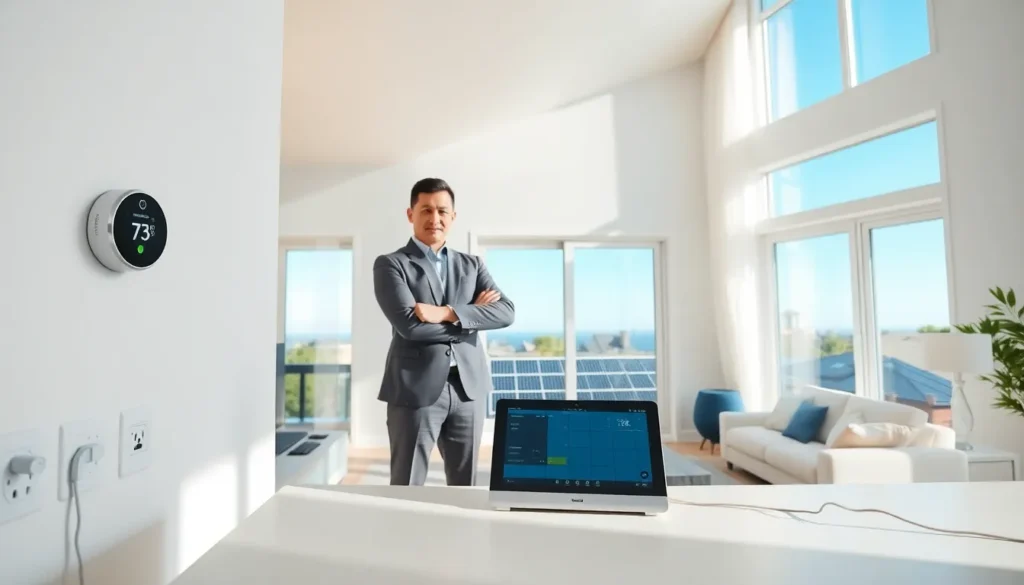
Learning how to sustainable technology fits into everyday routines can reduce environmental impact and lower utility bills. Sustainable technology includes devices, systems, and practices that minimize resource consumption while maintaining functionality. This guide covers practical steps anyone can take to adopt greener tech solutions at home. From energy-efficient appliances to responsible consumption habits, small changes add up to meaningful results.
Table of Contents
ToggleKey Takeaways
- Sustainable technology reduces environmental impact and lowers utility bills through energy-efficient devices and smart resource management.
- Smart power strips and LED lighting are easy, low-cost upgrades that can save households $100-200 annually on wasted standby power alone.
- When purchasing appliances, prioritize ENERGY STAR-certified HVAC systems, water heaters, and refrigerators for the fastest payback on energy savings.
- Extending device lifespans by repairing instead of replacing cuts manufacturing emissions and supports a circular economy.
- Dispose of electronics responsibly through retailer recycling programs or manufacturer take-back initiatives to recover valuable materials and prevent e-waste pollution.
What Is Sustainable Technology
Sustainable technology refers to products and systems designed to reduce environmental harm. These innovations use fewer natural resources, generate less waste, and often rely on renewable energy sources.
Examples of sustainable technology include:
- Solar panels and wind turbines for clean energy generation
- LED lighting that uses 75% less energy than incandescent bulbs
- Smart thermostats that optimize heating and cooling schedules
- Electric vehicles powered by renewable electricity
- Water-saving fixtures and appliances
The core principle behind sustainable technology is efficiency. Devices that accomplish more while consuming less energy, water, or materials qualify as sustainable. A refrigerator from 2024 uses roughly 40% less electricity than models from 2000, thanks to improved insulation and compressor technology.
Sustainable technology also considers the full product lifecycle. This means examining raw material extraction, manufacturing processes, transportation, usage, and end-of-life disposal. Products built to last longer, with recyclable components, score higher on sustainability metrics.
Consumers who understand sustainable technology can make informed purchasing decisions. They can identify greenwashing, marketing claims that exaggerate environmental benefits, and choose products with genuine eco-credentials.
Practical Ways to Use Sustainable Technology at Home
Adopting sustainable technology at home starts with assessing current energy and resource usage. Simple changes can yield significant savings without major investments.
Switch to Smart Power Management
Smart power strips eliminate phantom loads, the energy devices consume while turned off but still plugged in. The average American household wastes $100-200 annually on standby power. Smart strips detect when devices enter standby mode and cut power automatically.
Smart home systems take this further. Programmable schedules ensure lights, HVAC systems, and appliances operate only when needed. Motion sensors in less-used rooms prevent lights from burning unnecessarily.
Upgrade Lighting Systems
LED bulbs represent one of the easiest sustainable technology upgrades. They last 25 times longer than incandescent bulbs and use a fraction of the electricity. Smart LED systems allow dimming and scheduling through smartphone apps, adding convenience to energy savings.
Install Water-Saving Technology
Low-flow showerheads and faucet aerators reduce water consumption by 30-50% without sacrificing pressure. Smart irrigation controllers adjust watering schedules based on weather forecasts and soil moisture levels. These systems prevent overwatering and reduce outdoor water use by up to 50%.
Consider Renewable Energy Options
Residential solar panels have dropped 70% in cost since 2010. Many utility companies offer net metering, allowing homeowners to sell excess electricity back to the grid. For renters or those unable to install panels, community solar programs provide access to renewable energy without rooftop installations.
Sustainable technology at home doesn’t require a complete overhaul. Incremental improvements compound over time, reducing both environmental footprint and monthly expenses.
Choosing Energy-Efficient Devices and Appliances
Selecting energy-efficient devices requires understanding certification labels and comparing long-term costs against upfront prices.
Understanding Energy Labels
The ENERGY STAR label identifies products that meet strict efficiency standards set by the U.S. Environmental Protection Agency. ENERGY STAR-certified appliances typically use 10-50% less energy than standard models. The EU Energy Label uses a scale from A (most efficient) to G (least efficient), making comparisons straightforward.
For electronics, look for 80 PLUS certification on power supplies. This rating indicates at least 80% energy efficiency under various loads.
Calculating Total Cost of Ownership
A sustainable technology purchase decision should factor in lifetime operating costs. An efficient refrigerator costing $200 more upfront might save $50 annually in electricity. Over a 15-year lifespan, that’s $750 in savings, a 275% return on the additional investment.
Online calculators from utility companies help estimate annual operating costs for major appliances. The EPA’s ENERGY STAR website provides comparison tools for most product categories.
Prioritizing High-Impact Upgrades
Not all appliances offer equal savings potential. Focus first on:
- HVAC systems (heating and cooling account for 50% of home energy use)
- Water heaters (14% of home energy consumption)
- Refrigerators (always running, so efficiency matters)
- Clothes dryers (high energy use per cycle)
Sustainable technology choices in these categories deliver the fastest payback periods. Smaller electronics and lighting, while still important, represent smaller portions of total energy consumption.
Supporting Sustainable Tech Through Responsible Consumption
Purchasing sustainable technology is only part of the equation. How consumers use, maintain, and dispose of devices matters equally.
Extend Device Lifespans
The greenest device is often the one already owned. Manufacturing a new smartphone generates 50-80 kg of CO2 emissions. Keeping phones for four years instead of two cuts per-year emissions by half.
Practical steps to extend device life include:
- Using protective cases and screen protectors
- Replacing batteries instead of entire devices
- Updating software to maintain security and performance
- Repairing rather than replacing when possible
Right-to-repair legislation is expanding consumer options. Many manufacturers now offer official repair programs and replacement parts.
Choose Sustainable Technology Brands
Some companies prioritize sustainability throughout their operations. Look for brands that:
- Use recycled materials in products and packaging
- Power facilities with renewable energy
- Offer take-back programs for old devices
- Publish transparent sustainability reports
Third-party certifications like B Corp status indicate verified environmental and social commitments.
Dispose of Electronics Responsibly
E-waste contains valuable materials like gold, copper, and rare earth elements. Proper recycling recovers these resources and prevents toxic substances from entering landfills.
Many retailers accept old electronics for recycling. Manufacturer take-back programs often provide prepaid shipping labels. Local municipalities frequently host e-waste collection events.
Sustainable technology adoption extends beyond individual purchases. Consumer demand signals drive industry innovation, pushing more companies to develop eco-friendly products.


