
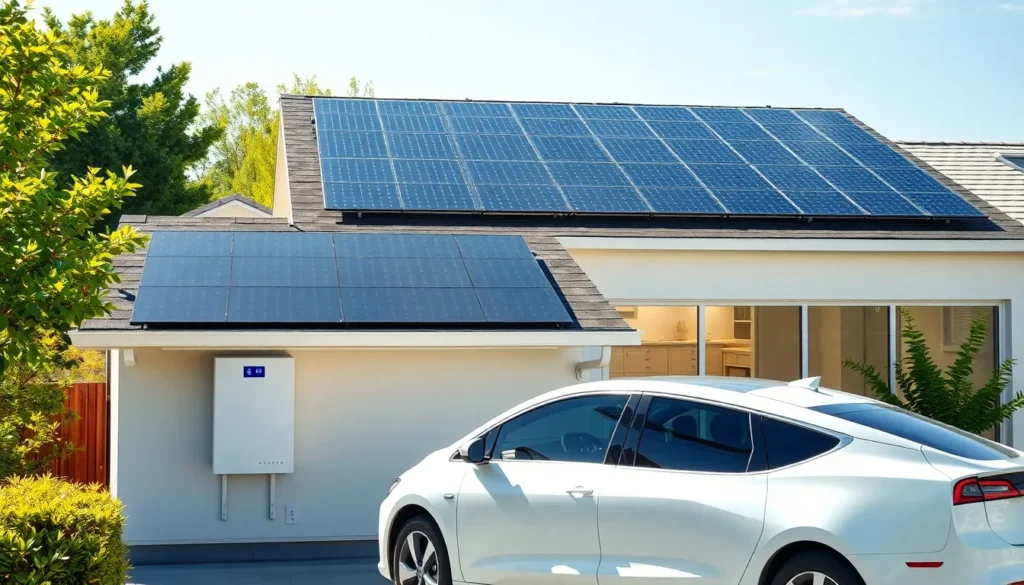
The best sustainable technology reduces environmental impact while meeting modern demands. These innovations help consumers and businesses lower carbon footprints, cut energy costs, and support long-term ecological health. From solar panels to electric vehicles, sustainable tech solutions have moved from niche products to mainstream essentials.
This guide covers the leading sustainable technology options available today. Readers will learn what makes technology sustainable, explore renewable energy breakthroughs, and discover smart home solutions. The article also examines green transportation and provides practical advice for choosing eco-friendly tech products.
Table of Contents
ToggleKey Takeaways
- The best sustainable technology minimizes resource consumption, reduces emissions, and considers the full product lifecycle from materials to disposal.
- Solar panel costs have dropped 89% since 2010, with modern systems converting over 22% of sunlight into electricity and offering payback periods as short as six years.
- Smart home devices like thermostats and LED lighting can cut energy costs by 10-15% without requiring major lifestyle changes.
- Electric vehicles produce zero tailpipe emissions and cost about $1,000 less per year to fuel compared to gasoline cars.
- When choosing eco-friendly tech, prioritize ENERGY STAR ratings, repairability scores, and refurbished options to maximize sustainability.
- Extending a smartphone’s life by just one year reduces its lifetime carbon emissions by 31%, making device longevity a powerful sustainability choice.
What Makes Technology Sustainable
Sustainable technology meets three core criteria: it minimizes resource consumption, reduces emissions, and supports long-term environmental health. The best sustainable technology products consider their entire lifecycle, from raw material extraction to disposal or recycling.
Energy Efficiency
Energy-efficient devices use less power to perform the same tasks. A laptop that runs on 15 watts instead of 45 watts saves significant electricity over its lifespan. This efficiency reduces demand on power grids and lowers greenhouse gas emissions from fossil fuel plants.
Material Choices
Sustainable tech uses recycled, recyclable, or biodegradable materials. Apple now uses 100% recycled aluminum in some MacBook models. Fairphone builds smartphones with modular, repairable components that extend product life.
Manufacturing Processes
Clean production methods matter as much as the final product. Companies pursuing sustainability use renewable energy in factories, reduce water waste, and eliminate toxic chemicals. These practices cut the environmental cost of bringing products to market.
Longevity and Repairability
Tech that lasts longer generates less waste. Products designed for easy repair, with available spare parts and accessible components, stay out of landfills. The right-to-repair movement has pushed manufacturers toward more sustainable design choices.
Renewable Energy Innovations
Renewable energy represents some of the best sustainable technology advances of the past decade. Solar, wind, and battery storage systems have become more affordable and efficient than ever.
Solar Power Systems
Residential solar panels now convert over 22% of sunlight into electricity, up from 15% just ten years ago. Costs have dropped 89% since 2010. Homeowners can install rooftop systems for under $20,000 before incentives, with payback periods as short as six years.
New thin-film solar cells work on flexible surfaces. These panels can cover curved roofs, backpacks, and even windows. Perovskite solar technology promises even cheaper production costs and higher efficiency ratings by 2027.
Wind Energy
Offshore wind farms now generate power at costs competitive with natural gas. The average U.S. wind turbine produces enough electricity to power 940 homes annually. Vertical-axis wind turbines offer sustainable energy options for urban environments where traditional turbines won’t fit.
Battery Storage
Lithium-ion batteries store excess renewable energy for use when the sun isn’t shining or wind isn’t blowing. Tesla’s Powerwall and similar home battery systems let households run on stored solar power through the night. Grid-scale battery installations now stabilize entire regional power networks.
Sodium-ion batteries are emerging as a cheaper, more sustainable alternative. They use abundant materials and avoid the environmental concerns of lithium mining.
Smart Home and Energy Efficiency Solutions
Smart home devices rank among the best sustainable technology options for everyday consumers. These products reduce energy waste without requiring major lifestyle changes.
Smart Thermostats
Devices like the Nest Learning Thermostat and Ecobee cut heating and cooling costs by 10-15%. They learn household schedules and adjust temperatures automatically. Remote control via smartphone prevents wasted energy when residents forget to adjust settings before leaving.
LED Lighting Systems
LED bulbs use 75% less energy than incandescent lights and last 25 times longer. Smart LED systems add motion sensors, dimming schedules, and app control. A household switching entirely to LEDs saves roughly $225 per year on electricity.
Energy Monitoring Tools
Smart plugs and whole-home monitors track electricity usage in real time. They identify energy vampires, devices that draw power even when turned off. This visibility helps households cut phantom loads that account for 5-10% of residential electricity use.
Smart Power Strips
Advanced power strips automatically cut power to devices in standby mode. They sense when a primary device (like a TV) turns off and disconnect secondary devices (like gaming consoles and streaming boxes). Annual savings reach $100 or more per strip.
Heat Pump Technology
Modern heat pumps provide heating and cooling at 3-4 times the efficiency of traditional HVAC systems. They move heat rather than generate it, slashing energy consumption. Cold-climate heat pumps now work effectively even in sub-zero temperatures.
Sustainable Transportation Technologies
Transportation accounts for 29% of U.S. greenhouse gas emissions. The best sustainable technology in this sector is transforming how people move.
Electric Vehicles
EVs produce zero tailpipe emissions and cost far less to operate than gas vehicles. The average EV owner spends $485 per year on fuel equivalent, compared to $1,500 for gasoline. Battery range has improved dramatically, many 2025 models exceed 300 miles per charge.
Charging infrastructure is expanding rapidly. The U.S. now has over 170,000 public charging ports. Home charging remains the most convenient option for daily drivers.
E-Bikes and Micromobility
Electric bikes replace car trips for commutes under 10 miles. They use a fraction of the energy required by cars, even EVs. Sales have surged 240% since 2020 as cities add protected bike lanes.
Electric scooters and shared micromobility programs fill gaps in public transit. These options work especially well for last-mile transportation in urban areas.
Hydrogen Fuel Cells
Hydrogen vehicles offer zero-emission driving with refueling times similar to gasoline cars. They suit long-haul trucking and heavy equipment where battery weight becomes impractical. Green hydrogen, produced using renewable electricity, makes this technology fully sustainable.
Public Transit Electrification
Cities worldwide are converting bus fleets to electric power. Electric buses eliminate diesel exhaust in densely populated areas. Los Angeles plans an all-electric bus fleet by 2030.
How to Choose Eco-Friendly Tech Products
Selecting the best sustainable technology requires looking beyond marketing claims. These practical steps help consumers make informed decisions.
Check Energy Ratings
Look for ENERGY STAR certification on appliances and electronics. These products meet strict efficiency standards set by the EPA. An ENERGY STAR refrigerator uses 9% less energy than a standard model.
Research Company Practices
Some brands prioritize sustainability throughout their operations. Check corporate sustainability reports for specific commitments and progress. Organizations like B Corp certify companies meeting high social and environmental standards.
Consider the Full Lifecycle
A product’s environmental impact extends beyond its energy use. Consider:
- Where materials come from
- How far the product ships
- Whether components can be recycled
- How long the product will last
Prioritize Repairability
iFixit rates products on how easily owners can repair them. Higher scores mean longer useful life and less electronic waste. France now requires repairability scores on electronics sold in the country.
Buy Refurbished When Possible
Refurbished electronics extend product life and reduce manufacturing demand. Certified refurbished devices come with warranties and cost 15-40% less than new. This option represents one of the best sustainable technology choices available.
Avoid Unnecessary Upgrades
The most sustainable device is often the one already owned. Extending a smartphone’s life by just one year reduces its lifetime carbon emissions by 31%.


